Fairness in Games: Ensuring Unbiased Random Outcomes
Fairness is the foundation of every game of chance, whether it involves flipping a coin, rolling dice, picking a random number, or using a digital random tool. But what does it really mean for a game to be “fair”? How do we ensure that every outcome is unbiased and that everyone has an equal chance? This page explores the science and practice of fairness in random games and tools, helping you trust the results and understand how they are achieved.
What Does "Fair" Mean in Games of Chance?
In the context of random games and tools, fairness means that every possible outcome has an equal and unbiased chance of occurring. For example, in a fair coin flip, the probability of getting heads is exactly 50%, and so is tails. In a fair dice roll, each side (1 through 6) has a 1 in 6 (about 16.67%) chance of landing face up. Fairness removes any advantage, pattern, or bias from the process, ensuring that the results are truly unpredictable and impartial.
- Unbiased: No outcome is favored over another.
- Random: Results cannot be predicted or manipulated.
- Transparent: The method for generating results is open and understandable.
How Is Fairness Achieved in Physical Games?
Fairness in traditional games relies on physical randomness and careful design:
- Coin Flips: A fair coin is perfectly balanced, with equal weight and thickness on both sides. The flip is performed so that neither player nor flipper can influence the outcome.
- Dice Rolls: Fair dice are manufactured to precise dimensions and weight distribution, with each face having the same probability. Casino dice are especially strict—transparent, sharp-edged, and frequently inspected.
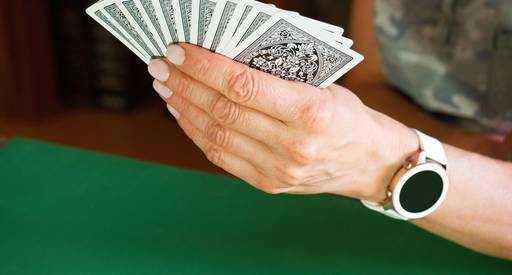
- Card Shuffles: Shuffling a deck thoroughly (using techniques like riffle shuffling) ensures that every card order is equally likely, preventing players from predicting or tracking cards.
- Lottery Draws: Lottery balls are made to exacting standards, and machines are tested to ensure no ball is heavier, lighter, or more likely to be chosen.
Sources of Bias in Physical Games
Sometimes, physical randomness can be compromised:
- Imbalanced Coins or Dice: Worn, weighted, or mis-manufactured coins and dice can favor certain results.
- Insufficient Shuffling: Failing to mix cards properly can allow patterns to persist, making outcomes predictable.
- Manipulation: Skilled individuals may try to influence results through sleight of hand or trick techniques.
Fairness in Digital Random Tools
Online games and random tools (like those on dice Flipper) use algorithms to simulate fairness. Achieving true fairness digitally means ensuring the randomness source is unpredictable and unbiased—that no one, not even the server or website, can predict or control the results.
- Pseudorandom Number Generators (PRNGs): These are algorithms that create a sequence of numbers that appear random. Good PRNGs (like those in cryptographic libraries) are tested for statistical fairness and unpredictability. See How Randomness Works for a deep dive.
- Cryptographically Secure PRNGs (CSPRNGs): Used for critical fairness, these generators use sources like mouse movement, system entropy, or browser APIs (e.g.,
window.crypto.getRandomValues()) to ensure no one can guess the outcome. - Transparency & Testing: Reputable websites explain their randomization methods, allow users to verify results, and update algorithms as needed to maintain fairness.
Examples of Fair Digital Tools
- Online Coin Flip: Uses secure randomization so heads/tails are always 50/50.
- Virtual Dice Roll: Each number from 1 to 6 is equally likely every roll.
- Random Number Picker: Any value in the range is as likely as any other.
- Raffle Picker: All names entered have the same chance of being selected.
How Can You Test Fairness?
Fairness can be measured and verified with statistical testing and transparency. Here are a few ways to check if a random tool is fair:
- Frequency Testing: Run the tool many times (e.g., flip a coin 1,000 times). If the counts for each outcome are close to expected probabilities (e.g., 500 heads/500 tails), it’s likely fair.
- Pattern Checks: Look for repeating patterns or cycles. True randomness should not show obvious streaks or repeating results outside of what is expected by chance.
- Transparency: Does the tool explain its methods? Is the code or algorithm public or well-documented?
- External Audits: In regulated environments (like lotteries), third-party audits and certifications are used to guarantee fairness.
Why Fairness Matters
Fairness builds trust and enjoyment in games and tools of chance. If a player suspects bias, the game loses its value—whether it’s a classroom activity, a friendly wager, or a major lottery. Fairness ensures:
- Everyone has an equal chance—no favoritism or manipulation
- Results are meaningful—winners and losers are decided by luck, not hidden factors
- Games are fun and engaging—surprise and suspense remain intact
Examples: Fairness in Popular Games & Tools
Physical Fairness
- Coin Flips (50/50)
- Standard Dice (1/6 per face)
- Shuffled Decks (1/52 per card)
- Lottery Machines
Digital Fairness
- Number Picker (even odds)
- Raffle Picker (every entry equal)
- Wheel Spinner (fair division by sections)
Common Questions About Fairness
Q: Can digital tools be truly fair?A: Yes, when using high-quality randomization sources and transparent algorithms, digital tools can match or exceed the fairness of physical games.
Q: What are signs of an unfair random tool?A: Patterns, streaks, or lopsided results over many trials may indicate bias. Lack of transparency or explanation is also a red flag.
Q: Can you guarantee fairness?A: Absolute guarantees are impossible, but using best practices, open algorithms, and user testing can make tools as fair as technology allows.
Learn More About Fairness & Probability
- Coin Flip — Try a fair coin toss and test the odds
- Dice Roll — Roll virtual dice and explore face odds
- Random Number Picker — Pick numbers with even probability
- How Randomness Works — True random vs. pseudorandom explained
- Probability Basics — Learn about odds, chance, and randomness
Fairness is at the core of all our tools. For questions about how we ensure unbiased results, contact our team: team@diceflipper.com.