How Randomness Works: True vs. Pseudorandom Explained
Randomness is at the heart of fair games, lotteries, and decision tools—whether you’re flipping a coin, picking a number, or rolling digital dice. But not all randomness is created equal! On this page, we’ll explore the different types of randomness, how computers generate random numbers, and why it matters for online games and tools like Number Picker, Coin Flip, and Dice Roll.
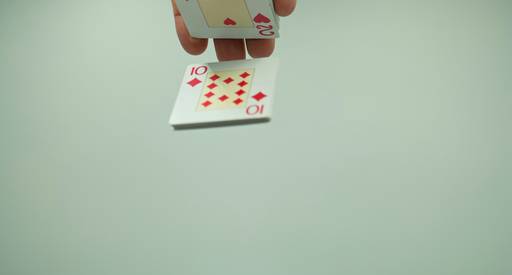
What Is Randomness?
Randomness means unpredictability. In the context of games and tools, it means that each possible outcome (like heads or tails, a number on a die, or a card from a deck) should be equally likely—without patterns or bias. Randomness is essential for fairness, surprise, and excitement.
In the physical world, randomness comes from unpredictable events: the tumble of a die, the shuffle of cards, or the flip of a coin. In the digital world, computers have to mimic this unpredictability using algorithms or special hardware.
True Random vs. Pseudorandom Numbers
True Random Number Generators (TRNGs) use unpredictable physical processes, such as radioactive decay, atmospheric noise, or even mouse movements, to produce numbers that cannot be predicted—even if you know everything about the process. Examples include drawing a card from a real shuffled deck, or flipping a real coin.
Pseudorandom Number Generators (PRNGs), on the other hand, are mathematical algorithms used by computers to generate sequences of numbers that appear random. While these sequences can pass many statistical tests for randomness, they are ultimately determined by a starting value called a seed. If you know the seed, you can predict the sequence. That’s why they’re "pseudo" random—not truly unpredictable.
How Does This Affect Online Games and Tools?
Most digital tools and games use PRNGs because they are fast and efficient. For example, when you use our Number Picker or Card Draw, a PRNG is often used to generate the result. However, the quality of the PRNG and how it’s seeded are crucial for ensuring fairness.
- High-quality PRNGs (like those used in cryptography) are designed to be extremely unpredictable, making them suitable for games and secure applications.
- Poor-quality PRNGs may produce patterns or be predictable, which can undermine fairness and security.
Cryptographic Randomness: The Gold Standard
For the highest level of fairness and unpredictability—especially in games, lotteries, and security applications—cryptographically secure random number generators (CSPRNGs) are used. These are special algorithms (or hardware devices) that produce random numbers that are extremely difficult to predict, even with advanced computing power.
Modern browsers provide access to CSPRNGs via window.crypto.getRandomValues() in JavaScript. This is the method our tools use whenever possible, ensuring your results are as fair and unpredictable as possible. If a browser does not support secure randomness, we fall back to the best available method.
Examples: Physical vs. Digital Randomness
Physical Randomness
- Flipping a coin
- Rolling dice
- Shuffling a deck of cards
- Drawing names from a hat
Why Randomness Matters in Games & Tools
Without true or high-quality randomness, games and tools can become unfair or predictable. Imagine a dice roller that always cycles through the same numbers, or a lottery generator that repeats patterns. This undermines trust and can lead to unfair outcomes.
For this reason, reputable tools—including all those on dice Flipper—leverage secure randomization methods and are tested for fairness. You can use our tools with confidence, knowing that each outcome is as close to random as modern technology allows.
How We Ensure Fairness on dice Flipper
- Cryptographically Secure Randomness: We use the best available randomness in your browser for tools like Yes or No Generator, Dice Roll, and Card Draw.
- No Bias, No Memory: Each result is independent. No patterns, no "lucky streaks", no bias.
- Transparency: We explain our methods and encourage you to test the tools as much as you like.
FAQ: Randomness in Online Tools
Q: Can online random generators be trusted?A: Yes, if they use high-quality, cryptographically secure random sources and are transparent about their methods. All tools on dice Flipper use secure algorithms when available.
Q: Is physical randomness always better than digital?A: For most everyday uses, digital randomness is equally fair—especially when using modern CSPRNGs. For high-stakes games or legal purposes, physical randomness may still be preferred.
Q: What if my browser doesn’t support secure randomness?A: We always use the most secure method your device supports. If not available, we fall back to the next best option and will notify you if security is reduced.
Explore More About Probability & Randomness
- Probability Basics — Learn how chance and odds are calculated
- Random Number Picker — Try picking a random number
- Flip a Coin — Experience digital randomness in action
- Roll a Dice — Test virtual dice fairness
- Draw a Card — Shuffle and draw from a virtual deck
Randomness and fairness are at the core of all our tools. For questions about our randomization process, reach out to our team: team@diceflipper.com.